Deep, rich beef stew needs time, but it pays you back with the kind of spoon-tender beef and glossy mahogany broth that make plain dinner feel like a real meal. The best bowls have balance: browned meat, soft potatoes, sweet carrots, a little tomato brightness, and just enough wine in the base to keep everything from tasting flat.
This version works because it builds flavor in layers instead of relying on one heavy ingredient. Tossing the beef in flour helps the meat brown and gives the broth a little body later on, while searing in batches keeps the pan hot enough for real color. The wine and tomato paste get cooked long enough to lose their sharp edges, so the finished stew tastes rounded instead of acidic.
Below, I’ll walk through the part that matters most: getting the beef properly browned, when to add the potatoes so they hold together, and why the peas go in at the end instead of simmering away for an hour.
The beef got that deep seared crust and the broth turned thick and rich without needing extra thickeners. I added the peas at the end like you said and they stayed bright instead of turning mushy. My husband went back for thirds.
Save this beef stew for a cold-night dinner with deep broth, tender chuck, and potatoes that hold their shape.
The Reason the Beef Browns Before Anything Else
If the beef goes into the pot crowded and pale, the stew can taste flat no matter how long it simmers. Browning in batches is what gives you that deep savory base, and the flour on the meat helps every piece pick up color while also giving the broth a little natural body later on. Don’t rush this stage. You want a dark crust on the outside of the cubes and a good layer of browned bits on the pan bottom, not gray meat steaming in its own liquid.
The other place people lose flavor is the aromatics. Onion, carrot, and celery need a few minutes in the rendered fat and oil before the garlic and tomato paste go in. That short cook takes the raw edge off the paste and builds a sweeter, rounder foundation before the liquid hits the pan.
What Each Ingredient Is Actually Doing in the Pot
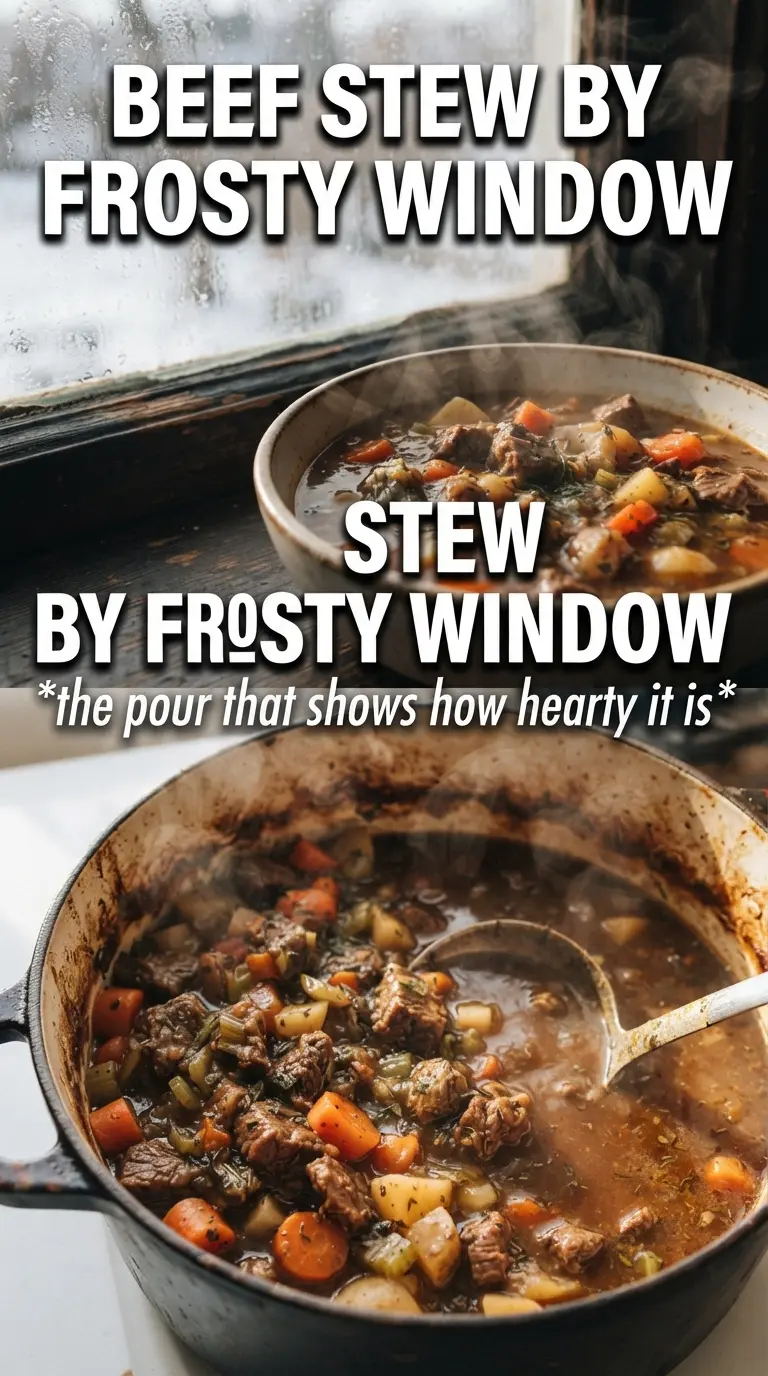
- Beef chuck — This is the right cut because it has enough connective tissue to turn tender during a long simmer. Lean stew meat can go dry and stringy before it ever gets spoon-tender.
- Yukon gold potatoes — They hold their shape better than russets and give the stew a creamy texture without dissolving into the broth. Cut them into even cubes so they cook at the same pace.
- Red wine and beef broth — The wine adds depth and a little acidity, while the broth carries the stewiness. If you don’t use wine, replace it with more broth and a splash of red wine vinegar at the end, but the flavor will be a little flatter.
- Tomato paste and diced tomatoes — These give the broth color, sweetness, and body. Cooking the paste for a minute or two before adding liquid is what keeps it from tasting raw and sharp.
- Frozen peas — They go in at the very end so they stay bright and sweet. If they simmer for long, they lose both color and texture.
Building the Stew So the Beef Stays Tender
Searing the Meat in Batches
Work in batches and give the beef space. If the pan is crowded, the cubes release moisture and steam instead of browning, and that means less flavor in the finished stew. You’re looking for a dark crust and browned residue in the pan. Pull the beef out once it’s deeply colored; it doesn’t need to cook through at this stage.
Softening the Base
Add the onion, carrots, and celery to the same pot and cook them until the onion turns translucent and the carrots start to lose their raw stiffness. Stir in the garlic and tomato paste for about two minutes so the paste darkens slightly and stops tasting tinny. If the garlic goes in too early, it can scorch before the vegetables are ready.
Simmering Until the Beef Gives Up
Pour in the wine and scrape the pan well, then add the broth, tomatoes, Worcestershire, thyme, bay leaves, and browned beef. Bring everything just to a boil, then drop the heat to a gentle simmer and cover the pot. A hard boil makes chuck tighten up; low heat is what gives you that fall-apart texture after 60 to 75 minutes.
Finishing with Potatoes and Peas
Add the potatoes only after the beef is already tender. They need enough time to cook through, but not so much that they break apart and thicken the stew into mash. The peas go in for the last few minutes, just long enough to heat through and stay sweet. Taste at the end and adjust the salt and pepper only after everything has simmered together.
How to Adapt This for Different Pans and Pantry Shortcuts
Dairy-Free and Naturally Thickened
This stew is already dairy-free, and the flour on the beef gives it enough body without cream or butter. If you need it gluten-free too, swap the all-purpose flour for a gluten-free flour blend or cornstarch, but use a little less cornstarch and mix it well so it doesn’t clump.
No Wine, No Problem
Replace the wine with another cup of beef broth and add one to two teaspoons of red wine vinegar near the end. You’ll lose a little of the layered acidity that wine brings, but the stew will still taste rich and balanced if you keep the final seasoning sharp enough.
Make It Ahead for Better Flavor
Beef stew tastes even better after a night in the fridge because the broth settles and the seasoning spreads through the meat and vegetables. If you’re serving it later, stop cooking once the beef and potatoes are tender, cool it quickly, and reheat gently the next day.
Storage and Reheating
- Refrigerator: Store in an airtight container for up to 4 days. The broth thickens as it chills, and the potatoes soften a little more.
- Freezer: It freezes well for up to 3 months, though the potatoes will be softer after thawing. Cool it completely before freezing, and leave a little headspace in the container.
- Reheating: Warm it slowly on the stove over medium-low heat with a splash of broth if needed. Don’t boil it hard, or the beef can tighten up and the potatoes can break apart.
Answers to the Questions Worth Asking
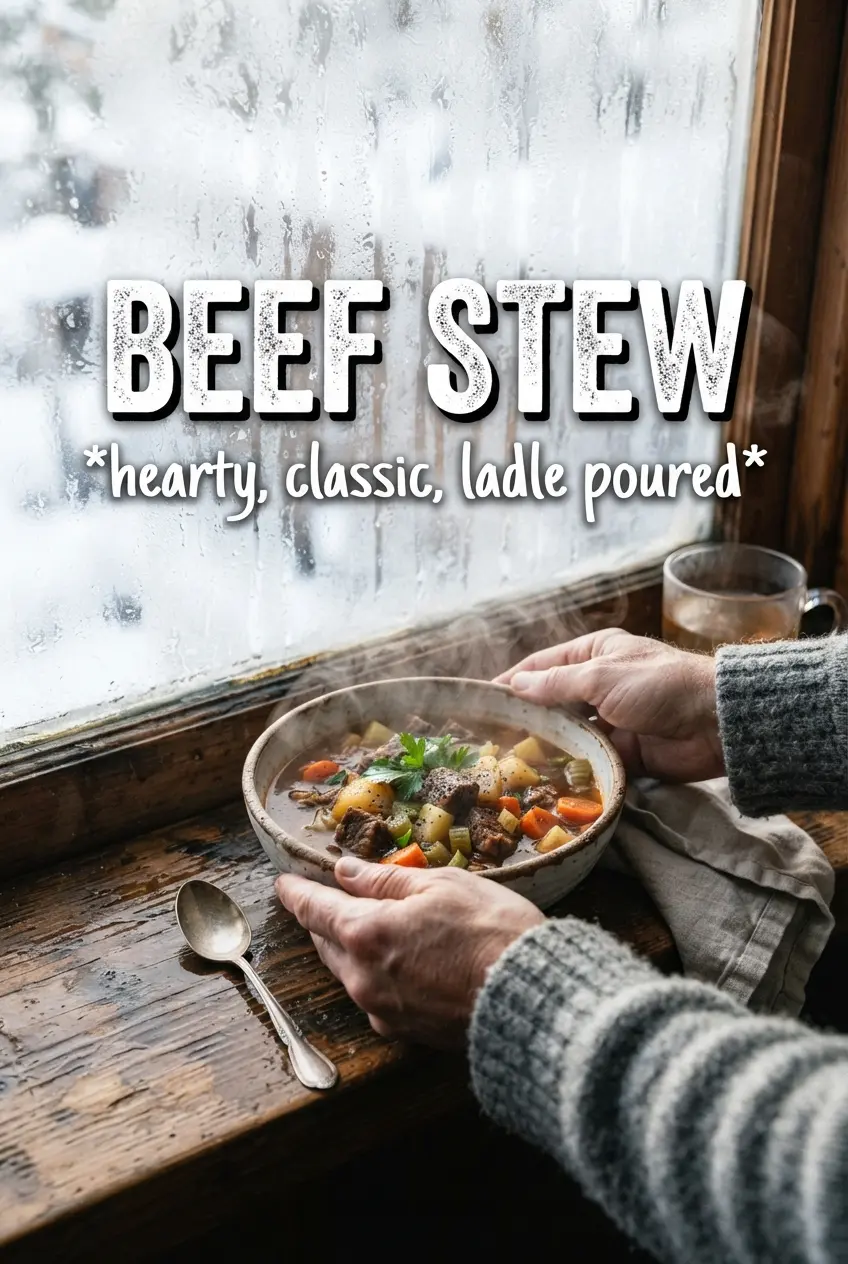
Beef Stew
Ingredients
Equipment
Method
- Toss the beef chuck cubes with the 1/4 cup all-purpose flour to coat evenly.
- Heat 2 tablespoons olive oil in a Dutch oven over high heat, then sear the floured beef in batches until deeply browned, about 6-8 minutes per batch; remove to a plate.
- Add the diced onion, thick-cut carrots, and sliced celery to the Dutch oven and sauté until softened, about 5 minutes.
- Stir in the minced garlic and tomato paste and cook for 2 minutes, until fragrant and slightly darkened.
- Pour in the red wine and deglaze, scraping up browned bits from the bottom of the pot.
- Add the beef broth, diced tomatoes, Worcestershire, dried thyme, bay leaves, and the browned beef; bring to a boil.
- Reduce heat to maintain a gentle simmer, cover, and simmer 60-75 minutes, until the beef is very tender.
- Add the cubed Yukon gold potatoes and cook 20 minutes, until tender.
- Stir in the frozen peas and cook 3 minutes, just until bright green and heated through.
- Remove bay leaves, then season with salt and pepper to taste and serve.