Chicken tortellini soup lands in that sweet spot between comforting and fresh: a broth that tastes like it’s been simmering much longer than 25 minutes, soft cheese tortellini that hold their shape, and plenty of chicken and vegetables in every spoonful. It eats like a full meal, but it still feels light enough that you want a second bowl.
The trick is building flavor in layers before the broth goes in. Onion and carrots need that first sauté so they soften and sweeten the pot, and the garlic only gets a minute before the liquid hits so it stays fragrant instead of bitter. Tortellini goes in near the end because refrigerated pasta cooks fast and can turn mushy if you leave it bobbing around too long. Spinach should be the last thing to go in, just long enough to wilt and keep its color.
Below, I’ve laid out the little timing details that keep the tortellini tender, the broth clear, and the chicken from drying out. There’s also a few useful swaps and a storage note for the leftovers, because this soup is one of those dishes people always hope will stretch into lunch the next day.
The broth had such a good flavor for such a short simmer, and the tortellini stayed perfectly tender instead of falling apart. I added a little extra parmesan at the table and my husband asked if I could make it again next week.
Love the cozy broth and cheese tortellini in this chicken tortellini soup? Save it to Pinterest for the nights when you want a fast dinner that still feels homemade.
The Small Timing Window That Keeps Tortellini from Going Mushy
Tortellini soup can go wrong in one place fast: the pasta gets overcooked while you’re waiting on the chicken or the spinach. Refrigerated cheese tortellini only needs a few minutes in simmering broth, and it keeps cooking after the heat goes off. If you let it stay in the pot too long, the edges split and the filling starts to leak into the broth.
The other thing people miss is that the broth should be fully boiling before the tortellini goes in, then dropped back to a gentle simmer. That keeps the pasta cooking evenly. A hard boil the whole time can beat the tortellini apart, while a weak simmer can leave you with doughy pockets in the center.
- Cook the tortellini at the end. The pasta should be tender with a little bite in the middle when you pull the pot off the heat.
- Add the spinach after the chicken. It only needs a minute or two, and that short window keeps it bright instead of dull and swampy.
- Shred the chicken before it goes in. Small pieces heat through quickly and blend into the soup better than big chunks.
What Each Ingredient Is Actually Doing in This Soup
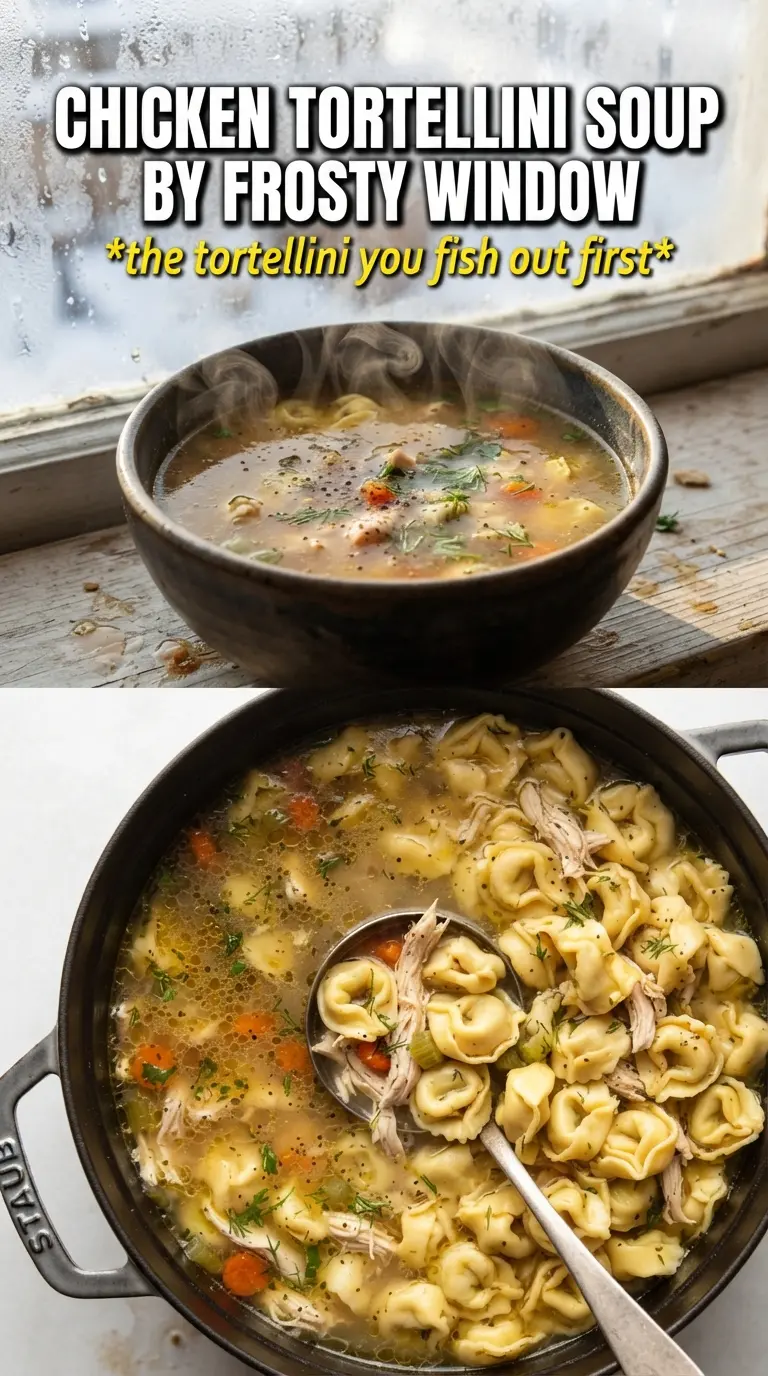
- Refrigerated cheese tortellini — This is the ingredient that makes the soup feel hearty without needing cream. Refrigerated tortellini cooks fast and stays tender, which is exactly what you want here. Frozen tortellini works too, but it usually needs a few extra minutes in the broth.
- Chicken breast — Cooked, shredded chicken gives the soup its protein and turns it into a full meal. Leftover rotisserie chicken is an easy swap and often adds a little extra seasoning. If you use freshly cooked chicken breast, don’t overcook it before shredding or it’ll go stringy in the soup.
- Onion, carrots, and garlic — This is the base flavor of the pot. The onion sweetens as it softens, the carrots add body, and the garlic gives the broth its savory edge. Dice the onion small so it disappears into the soup instead of floating in big pieces.
- Chicken broth — A good broth matters here because there isn’t any cream or tomato to cover it up. If your broth tastes flat, the soup will taste flat. Low-sodium broth gives you control over seasoning at the end, which is the safer choice for a soup that reduces a bit as it cooks.
- Baby spinach — Spinach brings freshness and color without changing the character of the broth. Regular spinach works too, but remove the tough stems and chop it first. If you only have kale, add it earlier because it takes longer to soften.
Building the Soup So the Broth Stays Clear and the Pasta Stays Tender
Softening the Vegetables First
Heat the olive oil in a large pot and cook the onion and carrots until the onion turns translucent and the carrots start to lose their raw crunch. This first step builds sweetness right into the soup base, and it only takes about five minutes. If the vegetables start browning too fast, lower the heat a little; you want soft edges, not dark caramelization.
Waking Up the Garlic and Herbs
Add the garlic, Italian seasoning, and dried basil after the vegetables have softened. Stir for about a minute, just until the garlic smells fragrant. If the garlic sits in the hot oil too long, it can turn bitter, so don’t leave it unattended while the broth is still waiting.
Cooking the Tortellini at the End
Pour in the broth and bring it to a boil before adding the tortellini. Once the pasta goes in, keep the heat at a gentle simmer and start checking it at four minutes. Pull it as soon as the pasta is tender and floating; if you wait for it to look fully puffy, it’s already on its way to overcooked.
Finishing with Chicken and Spinach
Stir in the shredded chicken and spinach after the tortellini is just tender. The chicken only needs to warm through, and the spinach should wilt in the hot broth almost immediately. Turn off the heat as soon as the greens soften so the tortellini doesn’t keep cooking in residual heat.
How to Adapt This for Different Needs Without Losing the Comfort
Make It Dairy-Free
Use dairy-free tortellini if you can find it, or swap in another small pasta and serve the soup without parmesan. You’ll lose the creamy cheese center from the tortellini, but the broth, chicken, and herbs still carry the dish.
Use Rotisserie Chicken for Faster Prep
Rotisserie chicken is the easiest shortcut here, and it adds a little extra seasoning to the broth. Pull it into small shreds so it heats evenly and doesn’t take over the spoonfuls.
Swap the Tortellini for Gluten-Free Pasta
A gluten-free small pasta works, but it won’t give you the same rich cheese filling or the same satisfying bite. Cook it just until tender and watch it closely, because gluten-free pasta can go from firm to soft faster than wheat pasta.
Add More Vegetables Without Changing the Soup
Diced zucchini, celery, or mushrooms fit in well if you want more vegetables in the pot. Add firmer vegetables with the onion and carrots, and save soft ones for the last few minutes so they don’t turn bland and watery.
Storage and Reheating
- Refrigerator: Store for up to 3 days. The tortellini will keep absorbing broth, so the soup gets thicker by the next day.
- Freezer: It freezes, but the tortellini texture softens after thawing. For the best result, freeze the broth, chicken, and vegetables without the pasta, then cook fresh tortellini when you reheat.
- Reheating: Warm it gently over medium-low heat until steaming, not boiling. A hard boil will split the tortellini and push the chicken toward dry.
Answers to the Questions Worth Asking
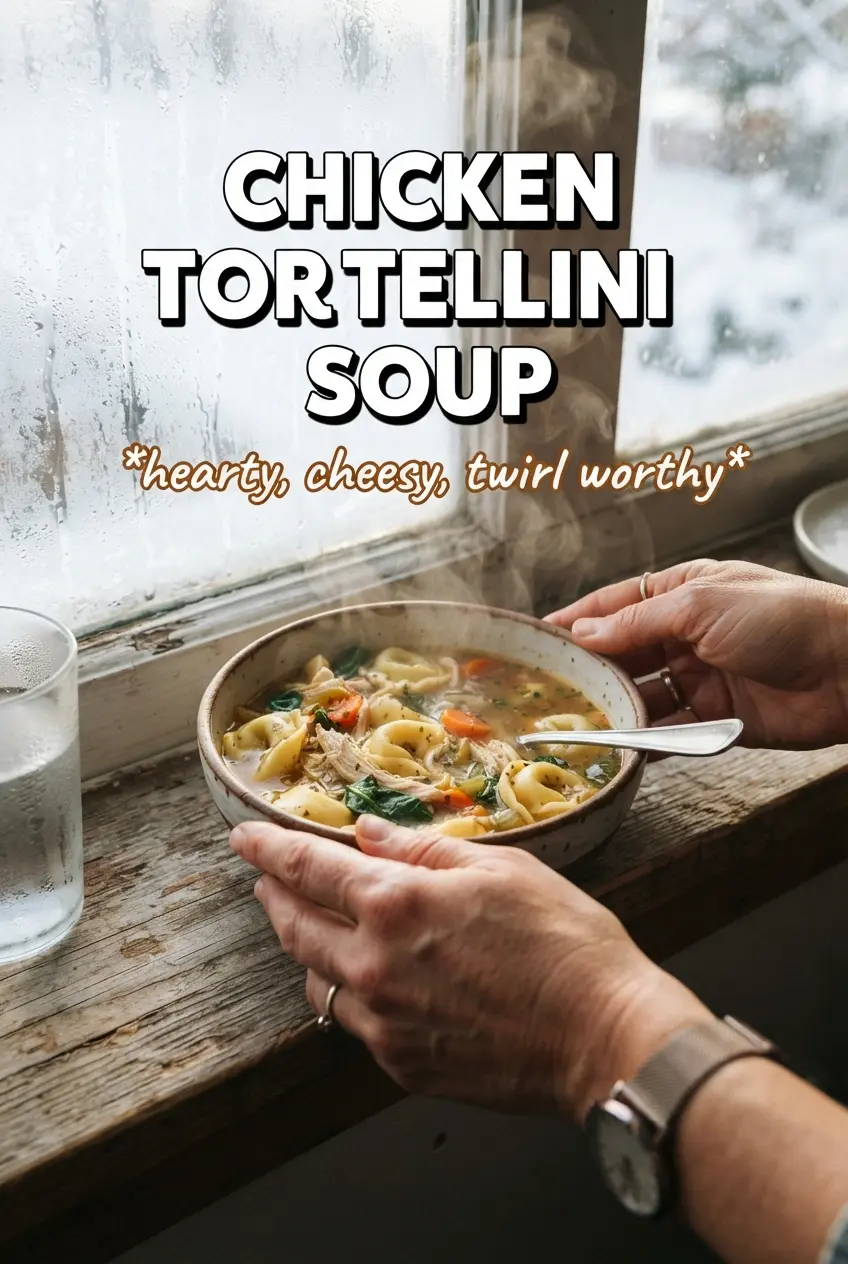
Chicken Tortellini Soup
Ingredients
Equipment
Method
- Heat olive oil in a large pot over medium heat, then sauté onion and carrots for 5 minutes, stirring until they soften and turn slightly glossy (around 350°F/175°C equivalent on stovetop heat).
- Add garlic, Italian seasoning, and dried basil and cook for 1 minute, stirring constantly until fragrant.
- Pour in chicken broth and bring to a boil, with active bubbling across the surface.
- Add cheese tortellini and cook for 4-5 minutes until just tender, watching for tortellini to float and the centers to soften.
- Stir in shredded chicken and cook for 2 minutes to warm through and integrate into the broth.
- Add baby spinach and cook for 1-3 minutes until wilted, turning bright green and reducing in volume.
- Season with salt and pepper to taste, then serve immediately with generous parmesan shavings and fresh basil on top.