Wild rice gives this soup the kind of chew that keeps every spoonful interesting, and the mix of mushrooms brings a deep, earthy base that tastes like it simmered all day. The broth turns silky and rich without becoming heavy, and the shredded chicken makes it hearty enough to stand on its own for dinner.
The trick is building flavor in layers before the broth goes in. Butter softens the onion, carrot, and celery first, then the mushrooms cook long enough to lose their raw edge and concentrate. The flour goes into the pot before the liquid, which keeps the soup from tasting pasty and helps the cream blend in later without breaking.
Below, I’ve included the small details that matter most: how to keep the mushrooms from steaming, when the wild rice is actually done, and what to do if you want to swap in what you already have on hand.
The mushrooms stayed meaty and the wild rice had the perfect bite, not mushy at all. I followed the timing exactly and the soup thickened up beautifully when I stirred in the cream at the end.
Creamy Mushroom Chicken and Wild Rice Soup is the kind of bowl worth saving for a cold night when you want rich broth, tender chicken, and that chewy wild rice texture.
The Reason This Soup Stays Creamy Instead of Gritty
The flour needs a minute in the butter before the broth goes in. That short step coats the fat and keeps the soup from turning grainy or tasting like raw paste. If you dump flour straight into liquid, it clumps, and you spend the rest of the simmer chasing little white bits around the pot.
The other place people run into trouble is the cream. Add it after the wild rice is tender and the chicken is cooked through, then keep the heat gentle. A hard boil can split the dairy and dull the flavor, while a quiet simmer keeps the broth smooth and glossy.
- Wild rice blend — A blend usually cooks a little faster and gives you a mix of textures. Straight wild rice works too, but it can need more time and more broth, so watch the pot instead of the clock.
- Mixed mushrooms — Cremini bring a sturdy, savory base, and shiitake add a deeper mushroom note. If you only have cremini, use them. The soup still lands well as long as they brown a little before the liquid goes in.
- Heavy cream — This is what gives the soup its plush finish. Half-and-half can work in a pinch, but it makes a thinner broth and is more likely to curdle if the heat is too high.
- Chicken breast — Breasts shred cleanly and stay mild enough to let the mushrooms lead. Thighs are a fine swap if you want more richness and don’t mind a darker, more pronounced chicken flavor.
What Each Ingredient Is Actually Doing in This Recipe

- Primary ingredient (the star) — Quality matters most. Choose the best you can find.
- Cooking medium (oil, butter, or broth) — This carries flavors and prevents dryness.
- Seasonings (salt, pepper, spices, herbs) — Layer flavors so nothing overpowers. Build depth gradually.
- Aromatics (garlic, onion, herbs) — Cook with fat to bloom flavors. Become the foundation.
- Supporting ingredients — Complement the main ingredient without overpowering it.
- Sauce or liquid (if applicable) — Brings flavors together. Balance richness with acid.
- Acid (lemon, vinegar, wine, or other) — Brightens and prevents flat-tasting results.
- Final finish (garnish, glaze, or sauce) — Prevents one-dimensional taste and adds visual appeal.
The Part of the Recipe That Decides the Texture
Softening the vegetables first
Start with butter, onion, carrots, and celery in a large pot. Cook them until the onion turns translucent and the carrots take on a little shine. This is the base of the soup, and if the vegetables stay raw and crunchy, they’ll stand out in a bad way once the cream goes in.
Letting the mushrooms cook down
Add the garlic and mushrooms next and give them time to release their moisture. At first, the pan looks crowded and wet. Keep cooking until the liquid cooks off and the mushrooms start to darken at the edges. That’s where the flavor is. If you rush this part, the soup tastes flat instead of earthy.
Building the broth and simmering the rice
Whisk in the flour, then add the broth, wild rice, chicken, thyme, and bay leaf. Bring it to a gentle simmer and keep it there for about 40 minutes, until the rice is tender and the chicken is cooked through. A hard boil can split the texture of the broth and overcook the chicken before the rice is ready.
Shredding the chicken and finishing with cream
Pull the chicken out, shred it, and drop it back into the pot after you remove the bay leaf. Stir in the cream and let everything warm through for another few minutes. The soup should look smooth and lightly thickened, not thick like gravy. Season with salt and pepper at the end so you can taste the broth once the cream has mellowed it out.
How to Adapt This for a Different Pantry
Dairy-Free Version
Use full-fat coconut milk or an unsweetened oat-based cooking cream in place of the heavy cream. Coconut milk gives the soup a faint sweetness and a softer finish, while oat cream stays closer to the original flavor. Either way, add it at the end over low heat so it doesn’t separate.
Gluten-Free Swap
Replace the flour with a gluten-free flour blend that thickens one-for-one, or whisk in a cornstarch slurry near the end. Cornstarch gives a cleaner, lighter body, but it doesn’t hold up quite as long on the stove, so keep the soup at a gentle simmer after it thickens.
Use Thighs Instead of Breasts
Chicken thighs stay juicier and give the broth a deeper, more savory taste. They’re the better choice if you know the soup will sit on low heat for a while, but they do make the finished dish a little richer and less delicate.
Make It Ahead for Easy Leftovers
If you want the best texture later, cook the soup through the wild rice and chicken, then add the cream only when you reheat it. That keeps the dairy fresher and prevents the broth from getting too thick overnight. It also gives you a better final texture after sitting in the fridge.
Storage and Reheating
- Refrigerator: Store in an airtight container for up to 4 days. The wild rice keeps absorbing liquid, so the soup will thicken as it sits.
- Freezer: It freezes, but the cream can separate a bit after thawing. For the best result, freeze it before adding the cream, then stir the cream in when you reheat.
- Reheating: Warm it slowly on the stove over low heat, adding a splash of broth if needed. Don’t boil it, or the dairy can break and the chicken can turn dry.
Answers to the Questions Worth Asking
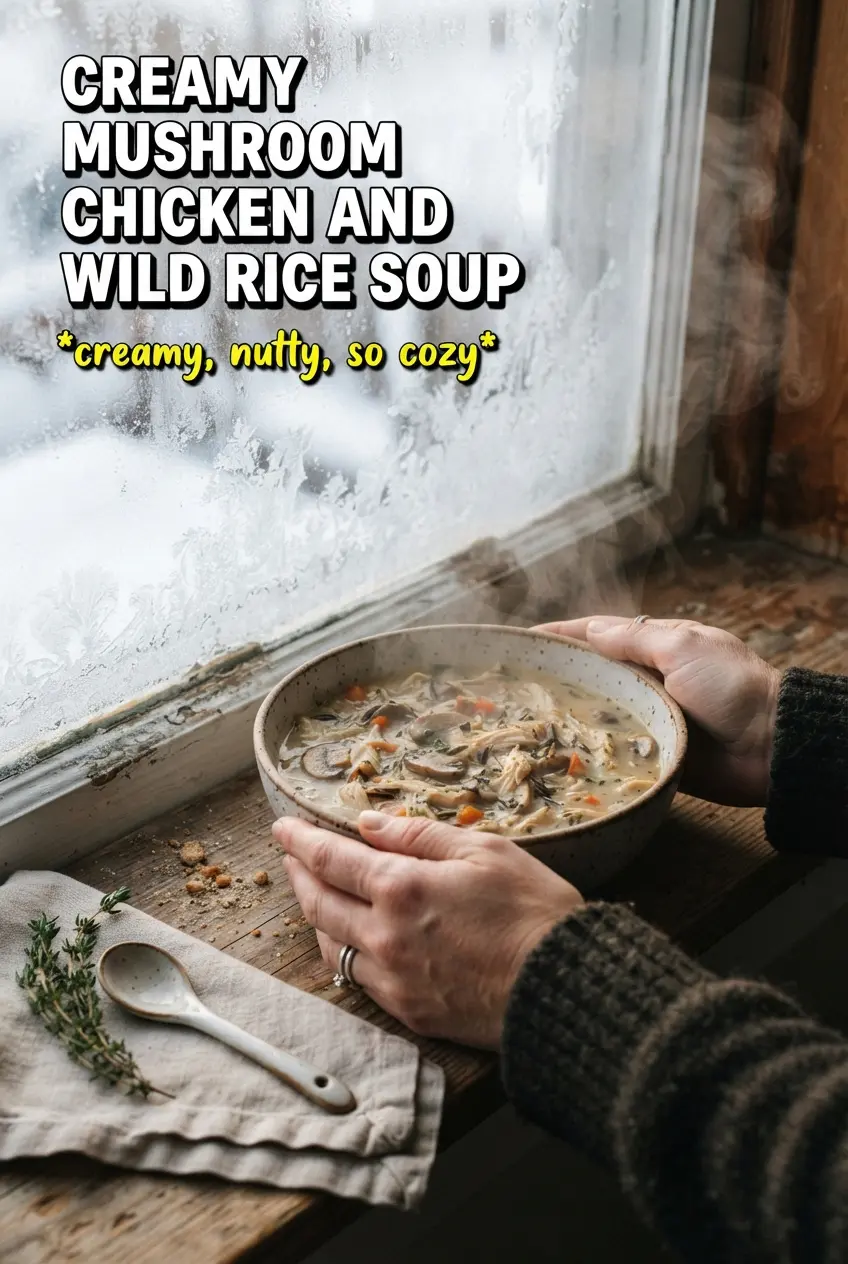
Creamy Mushroom Chicken and Wild Rice Soup
Ingredients
Equipment
Method
- Melt the butter in a large pot over medium heat, then sauté the onion, carrots, and celery for 5 minutes until they start to soften and look glossy.
- Add the garlic and the sliced mixed mushrooms, then cook for 4 minutes, stirring, until the mushrooms release their moisture and start to brown.
- Whisk in the flour and cook for 1-2 minutes to remove the raw flour taste, watching for a light golden color.
- Add the chicken broth, wild rice blend, chicken breast, dried thyme, and bay leaf, then bring the pot to a simmer with the liquid bubbling steadily.
- Simmer for 40 minutes, stirring occasionally, until the wild rice is tender and the chicken is cooked through.
- Remove the chicken from the pot and shred it, then discard the bay leaf and return the shredded chicken to the soup.
- Stir in the heavy cream and simmer for 5 minutes until the soup looks creamy and slightly thickened.
- Season with salt and pepper to taste, then adjust as needed until the flavors are balanced.