Creamy Cajun sausage pasta lands in that sweet spot between weeknight fast and dinner-that-actually-feels-like-a-decision. The sauce clings to every ridge of the penne, the sausage brings smoky depth, and the peppers and onions keep the whole bowl from feeling heavy. What you end up with is bold, glossy, and the kind of skillet dinner people keep circling back to for seconds.
What makes this version work is the layering. The sausage browns first, which leaves flavorful bits in the pan, and those bits become the backbone of the sauce. Cajun seasoning goes in with the garlic and vegetables so it has a chance to bloom in the fat before the broth and cream hit the skillet. That short simmer matters. It takes the sharp edge off the spice and gives the sauce enough body to coat the pasta without turning gluey.
The best part is that nothing here is fussy. You only need one skillet for the sauce and sausage, and the pasta water does the final bit of work by loosening the sauce just enough to make everything silky. Below, I’ve included the small technique details that keep the cream from breaking and the pasta from drying out while it sits.
The sauce coated the penne perfectly and stayed creamy even after I added the pasta water. My husband went back for a second bowl and said the sausage and Cajun seasoning tasted like it had been simmering all day.
Creamy Cajun sausage pasta is the kind of skillet dinner worth pinning for busy nights when you want bold flavor, a silky sauce, and one pan to clean.
The Trick to Keeping the Cream Sauce Rich Instead of Greasy
The biggest mistake in Cajun pasta is pushing the heat too hard once the cream goes in. High heat can make the sauce split or turn oily, especially after you’ve browned sausage in the same pan. This version stays stable because the broth and cream simmer gently long enough to thicken on their own before the parmesan goes in.
The other thing that matters is the order. If you add the cheese too early, before the sauce has had a chance to reduce, it can clump instead of melting into the liquid. Let the pan do some of the work first. When the sauce looks slightly loose in the skillet, that’s the right moment to add pasta and cheese, because the noodles will keep absorbing liquid as they sit.
- Browned sausage — This is the flavor base. The rendered fat helps season the vegetables and gives the sauce a deeper, smoky edge.
- Cajun seasoning — Brands vary a lot here. Some are saltier and hotter than others, so taste before adding extra salt at the end.
- Heavy cream — This is what gives the sauce body and keeps it from looking thin. Half-and-half will work in a pinch, but the sauce will be lighter and less plush.
- Reserved pasta water — Don’t skip this. The starch helps the sauce cling to the pasta and lets you loosen it without watering it down.
What Each Ingredient Is Doing in the Skillet
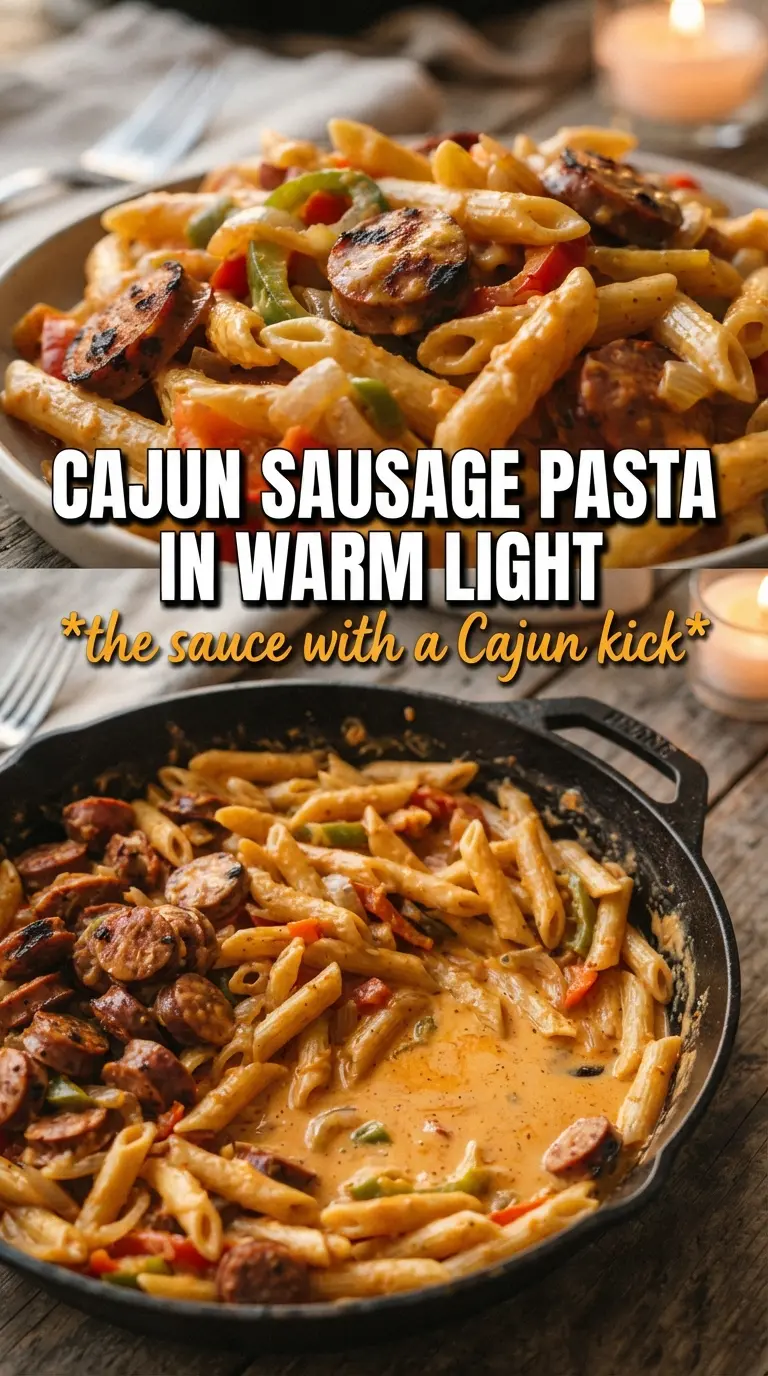
- Andouille or smoked sausage — Andouille gives the most Cajun character, but any good smoked sausage works. Slice it thick enough to hold its shape so it browns instead of breaking apart.
- Penne — The tubes catch the sauce inside and out. Any short pasta with ridges will work, but thin pasta won’t hold the cream as well.
- Bell peppers and onion — These soften into the sauce and bring sweetness that balances the spice. Dice them evenly so they cook at the same pace and don’t leave crunchy bits behind.
- Garlic — It only needs a short cook after the vegetables soften. If it goes in too early, it can burn under the Cajun seasoning and turn bitter.
- Parmesan — Use freshly grated if you can. Pre-grated cheese sometimes melts less smoothly because of anti-caking agents.
- Butter — A small amount helps the sausage brown and gives the vegetables a richer start. Olive oil works, but the finished sauce won’t taste as round.
Building the Sauce in the Right Order
Brown the sausage first
Start with the sausage in a hot skillet and let it take on a deep brown color before pulling it out. You’re not just cooking it through; you’re building the flavor that carries the whole dish. If the pan looks crowded, brown in two batches so the sausage sears instead of steaming.
Soften the vegetables and bloom the seasoning
Once the sausage is out, add the onion and peppers to the same skillet and cook until they soften and pick up some color. That fond at the bottom of the pan should stay there. Stir in the garlic and Cajun seasoning for the last minute or two so the spice wakes up in the butter and sausage drippings instead of tasting raw.
Simmer the cream sauce gently
Pour in the broth and cream and bring everything to a quiet simmer, not a hard boil. A gentle simmer thickens the sauce without breaking it. If the sauce looks a little thin at first, keep going; it should reduce enough to coat the back of a spoon before the pasta goes in.
Finish with pasta water and parmesan
Once the pasta and sausage go back in, add a splash of reserved pasta water and stir until the sauce turns glossy. Then add the parmesan off a boil so it melts smoothly. If the pan gets too thick, loosen it with another small splash of pasta water instead of more cream, which can make the sauce heavy.
Three Ways to Make It Fit What’s in Your Kitchen
Dairy-Free Version with a Lighter Finish
Swap the heavy cream for full-fat coconut milk and skip the parmesan, or use a dairy-free parmesan-style topping at the end. The sauce will be a little less sharp and a touch sweeter, but it still turns creamy and coats the pasta well. Keep the heat low so the coconut milk stays smooth.
Gluten-Free Without Losing the Sauce
Use your favorite gluten-free penne and cook it just to al dente, since it softens a little more once it hits the sauce. The starch in gluten-free pasta water can be thinner, so reserve a bit extra in case you need more help loosening the sauce at the end.
Milder Version for a Less Spicy Pan
Use a mild smoked sausage and cut the Cajun seasoning back by a teaspoon, then add more only after tasting the finished sauce. You’ll keep the smoky, savory backbone without the stronger heat. This is the best move if your seasoning blend runs hot.
Storage and Reheating
- Refrigerator: Store in an airtight container for up to 4 days. The sauce thickens as it chills, so the pasta will look a little less glossy the next day.
- Freezer: It freezes, but the cream sauce can separate slightly when thawed. If you do freeze it, cool it completely first and reheat gently with a splash of broth or cream.
- Reheating: Warm it on the stove over low heat with a spoonful or two of broth or water, stirring often. The common mistake is blasting it in the microwave or over high heat, which tightens the sauce and makes the sausage tough.
Answers to the Questions Worth Asking
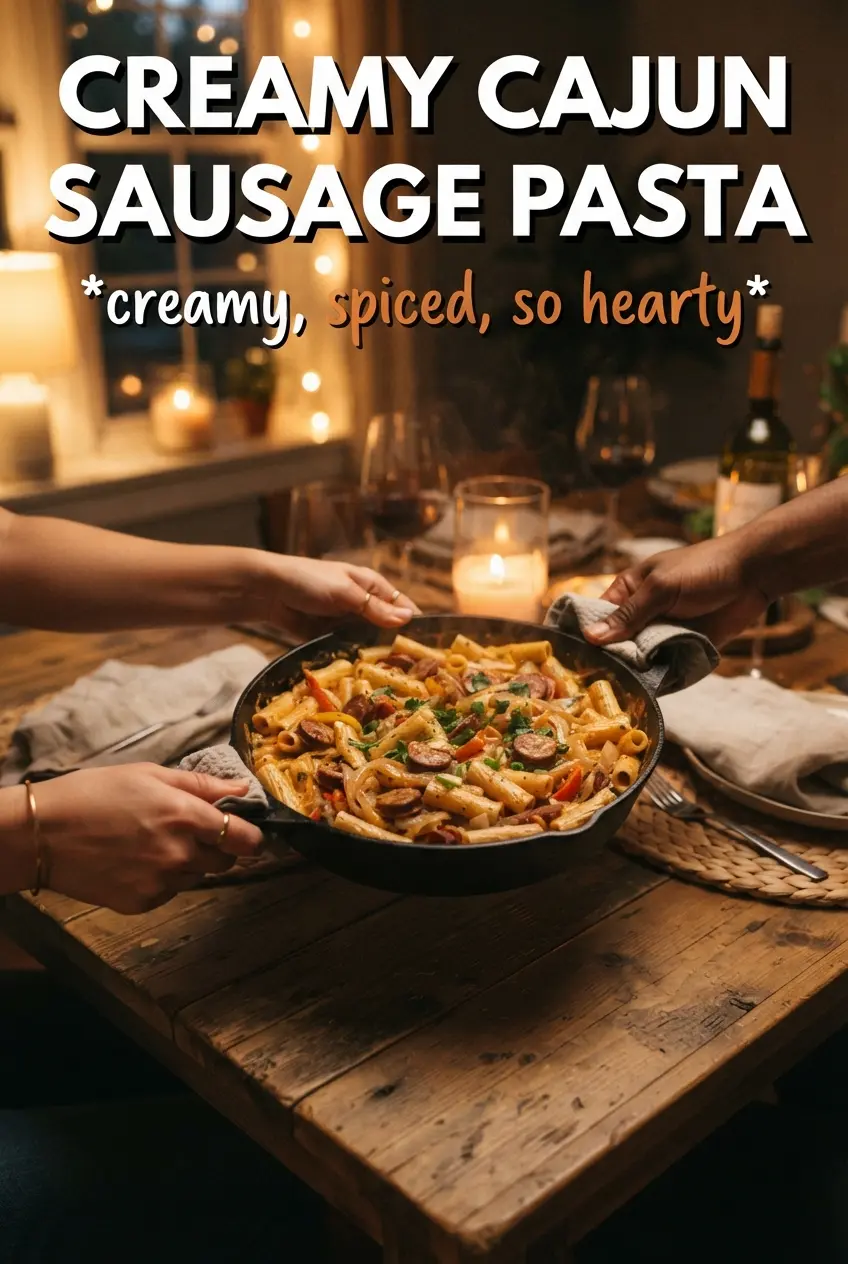
Creamy Cajun Sausage Pasta
Ingredients
Equipment
Method
- Bring a large pot of salted water to a boil and cook the penne until al dente, then reserve 1/2 cup pasta water.
- Melt 1 tablespoon butter in a large skillet and brown the sliced andouille or smoked sausage until heated through, then remove and set aside.
- In the same skillet, sauté the diced onion and red and green bell peppers for 4-5 minutes until softened.
- Add the minced garlic and Cajun seasoning and cook for 2 minutes, stirring to toast the spices.
- Pour in the chicken broth and heavy cream, then simmer for 5 minutes until slightly thickened.
- Add the cooked penne and the reserved 1/2 cup pasta water, then stir until the pasta is coated.
- Stir in the grated parmesan until melted and the sauce turns silky.
- Return the browned sausage to the skillet, toss to coat, and season with salt to taste.
- Top with green onions and parsley right before serving.