Pillowy gnocchi, savory sausage, and a creamy pumpkin sauce bake together under a molten mozzarella crust that turns the whole dish into something bigger than the sum of its parts. The gnocchi stay tender instead of falling apart, the sauce clings to every ridge, and the sage gives it that warm, woodsy finish that keeps each bite from feeling heavy.
This version works because the sauce starts on the stove, where the garlic and sage can bloom in butter before the pumpkin goes in. A little broth keeps the cream from turning too thick in the oven, and the gnocchi go in uncooked so they finish right in the sauce and absorb flavor as they bake. You get a casserole-style dinner without the gluey texture that happens when gnocchi are boiled first and then baked to death.
Below, I’ll walk you through the one part that matters most for texture, plus a few smart swaps if you need to work with what you already have on hand. There’s also a storage note for leftovers, because this dish reheats better than you’d expect if you handle it the right way.
The sauce came together silky and the gnocchi stayed tender all the way through baking. I was worried the pumpkin would taste flat, but the sausage and sage gave it so much depth that my husband went back for seconds.
Pin this pumpkin gnocchi bake for the nights when you want creamy pumpkin pasta flavor, browned sausage, and a golden cheese top in one pan.
The Trick to Keeping Gnocchi Tender Under a Baked Cheese Cap
The biggest mistake with a baked gnocchi dish is treating the gnocchi like pasta that needs to be fully cooked before it goes into the oven. Potato gnocchi are delicate. If you boil them first, then bake them in a thick sauce for another half hour, they can turn soft and gummy by the time the cheese browns.
Here, the gnocchi go in uncooked and finish in the sauce, where they absorb just enough liquid to cook through without losing their shape. That only works because the sauce is looser than a stovetop pasta sauce at the beginning. The broth and cream give the gnocchi room to steam and soften while the casserole bakes into a creamy, spoonable dish instead of a dense brick.
- Keep the sauce at a simmer on the stove, not a hard boil. You want it slightly thickened, but still pourable.
- Use a 9×13 baking dish so the gnocchi sit in a mostly even layer and cook at the same pace.
- If your sauce seems too thick before baking, add a splash more broth. The gnocchi need moisture to finish cooking.
What Each Ingredient Is Actually Doing in This Dish

- Potato gnocchi — Shelf-stable or refrigerated gnocchi both work here. Fresh gnocchi will be a little more tender, but the real win is using them straight from the package without boiling first.
- Italian sausage — This gives the bake its backbone. Mild sausage keeps the pumpkin front and center, while hot sausage leans deeper and spicier. If you use turkey sausage, add a touch more salt because it usually brings less seasoning to the pan.
- Pumpkin puree — Use pure pumpkin, not pumpkin pie filling. Pie filling is sweetened and spiced already, which throws the whole dish off balance.
- Heavy cream — This is what turns the pumpkin into a sauce instead of a thick puree. Half-and-half will work in a pinch, but the sauce will be a little lighter and less lush.
- Fresh sage — Dried sage can work, but use less of it. Fresh sage softens in the butter and perfumes the whole dish in a way dried herbs can’t quite match.
- Mozzarella and parmesan — Mozzarella gives you that stretchy, browned top, while parmesan adds salty depth. If you only have mozzarella, the bake will still work, but it’ll taste flatter on top.
Building the Sauce Before the Oven Takes Over
Brown the sausage first
Cook the sausage in a large skillet until it’s deeply browned and the fat has rendered. That browned fond at the bottom of the pan is part of the sauce, so don’t rush this stage. If the sausage is pale, the finished bake tastes flatter and less savory. Drain the excess fat, but leave the pan itself dirty enough to hold onto those browned bits.
Bloom the garlic and sage in butter
Melt the butter in the same skillet, then cook the garlic and sage just until fragrant. The garlic should smell sweet and sharp, not toasted or bitter. This is a short window, usually 1 to 2 minutes, and it’s where the pumpkin sauce gets its depth. If the garlic browns, pull the pan off the heat and move on before it turns harsh.
Simmer the pumpkin sauce until it loosens
Stir in the pumpkin, cream, broth, nutmeg, and red pepper flakes, then let the sauce simmer for a few minutes. You’re looking for a thick, pourable consistency that coats a spoon but still slides easily into the baking dish. This is where people often go wrong by reducing the sauce too far. If it looks like mashed pumpkin before it goes in the oven, the gnocchi won’t have enough moisture to cook properly.
Let the oven finish the job
Toss the uncooked gnocchi and sausage directly in the baking dish with the sauce, then cover everything with mozzarella and parmesan. Bake until the top is golden and the sauce is bubbling around the edges. The gnocchi should be tender when pierced, and the cheese should have those browned spots that tell you the top has had enough heat. If the center still looks loose, give it a few more minutes before you pull it out.
Three Practical Ways to Adapt This Bake
Make it without pork sausage
Turkey sausage or chicken sausage works well here and keeps the dish lighter. The flavor will be a little less rich, so add an extra pinch of salt and don’t skip the parmesan. If your sausage is very lean, a teaspoon of olive oil in the pan helps keep the base from tasting dry.
Turn it into a vegetarian bake
Skip the sausage and use sautéed mushrooms or browned tempeh for a savory replacement. You’ll lose some of the meaty depth, so add a little extra sage and a touch more parmesan to keep the sauce from tasting too soft. Vegetable broth can replace the chicken broth without changing the texture.
Make it gluten-free
Use certified gluten-free gnocchi, since many packaged versions contain wheat flour. The rest of the ingredients are naturally gluten-free as written, so this is an easy swap. Just check your sausage and broth labels too, because those are the two places gluten can hide.
Storage and Reheating
- Refrigerator: Store leftovers in an airtight container for up to 4 days. The gnocchi will keep absorbing sauce, so expect the texture to thicken a bit.
- Freezer: It freezes, but the cream sauce can separate slightly after thawing. For the best texture, freeze in portions and thaw overnight in the fridge before reheating.
- Reheating: Warm gently in a covered baking dish at 350F or in the microwave with a splash of broth or cream. The common mistake is blasting it with high heat, which tightens the sauce and dries out the gnocchi.
Answers to the Questions Worth Asking
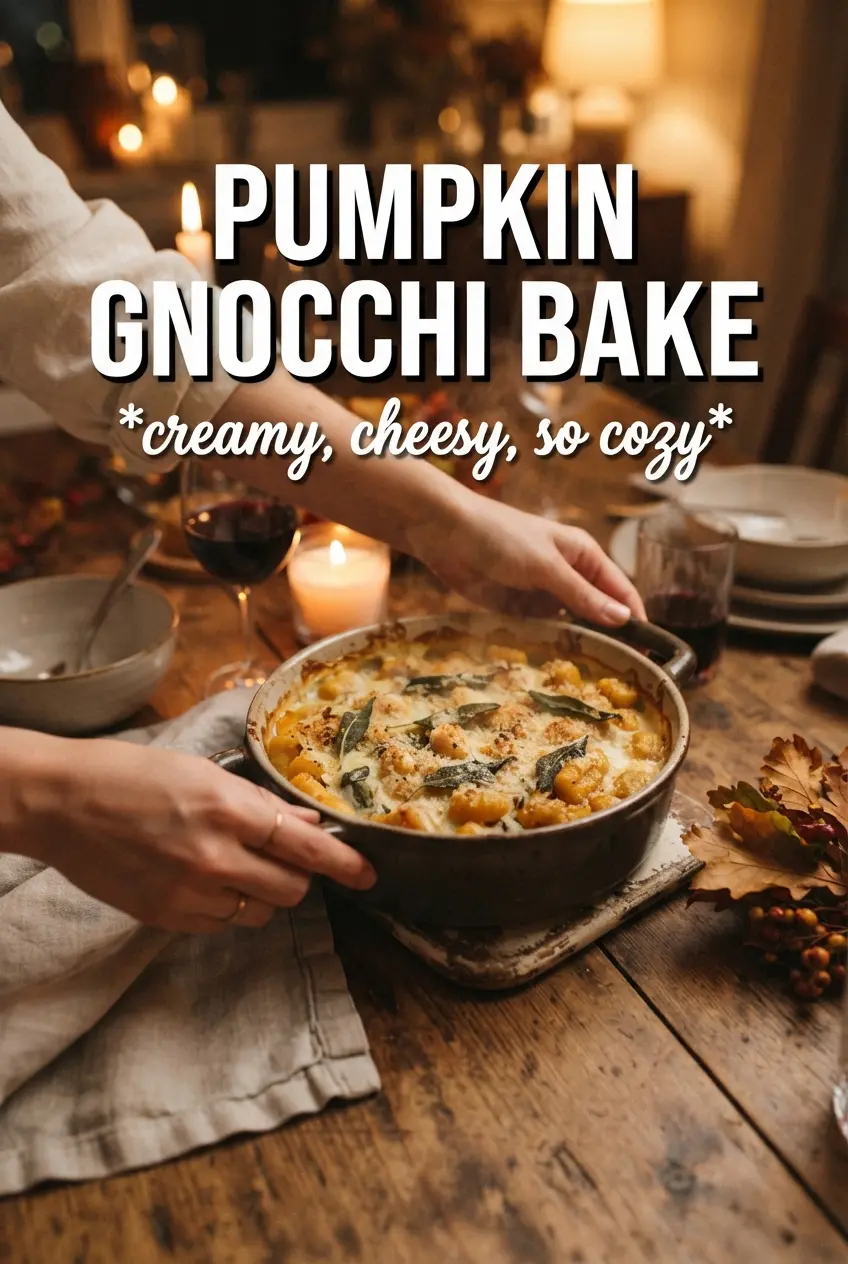
Pumpkin Gnocchi Bake
Ingredients
Equipment
Method
- Preheat oven to 400F and grease a 9x13 baking dish with a light coating of grease.
- Brown Italian sausage in a large skillet until browned, drain the fat, and set the crumbled sausage aside.
- Melt butter in the skillet, then sauté garlic and sage for 1-2 minutes until fragrant.
- Add pumpkin puree, heavy cream, chicken broth, nutmeg, and red pepper flakes, stirring to combine.
- Simmer the sauce for 3-4 minutes, then season with salt and pepper to taste.
- Toss uncooked gnocchi in the sauce directly in the greased baking dish, then add the sausage and mix so the gnocchi are coated.
- Scatter shredded mozzarella and parmesan over the top in an even layer.
- Bake for 30-35 minutes at 400F until the gnocchi are cooked through, the sauce is bubbling, and the cheese is golden.