Golden cheese, tender pasta, and a pumpkin cream sauce that clings to every ridge of rigatoni make this baked pasta the kind of dinner people go back for before the pan even cools. The sauce lands rich without turning heavy, and the sausage keeps the whole dish from tasting flat or overly sweet. When it comes out of the oven with bubbling edges and a browned mozzarella cap, it eats like comfort food with just enough structure to slice into neat servings.
The part that makes this work is balance. Pumpkin puree brings body and a subtle sweetness, but it needs fat, salt, and enough seasoning to taste like dinner instead of canned squash. Heavy cream smooths out the pumpkin, chicken broth loosens it just enough to coat the pasta, and a little nutmeg plus cayenne keeps the sauce from reading one-note. Cooking the pasta a little shy of al dente matters here too, because it keeps the noodles from going soft during baking.
Below, you’ll find the technique that keeps the sauce creamy in the oven, the ingredient swaps that still give you a good bake, and the storage details that make leftovers worth planning for.
The sauce thickened up beautifully in the oven and didn’t turn watery like some pumpkin pastas do. My husband kept going back for “just one more scoop” because the sausage and parmesan balanced the pumpkin so well.
Save this cheesy pumpkin pasta bake for the nights when you want a creamy baked dinner with a golden, bubbling cheese crust.
The Trick to Keeping Pumpkin Pasta Creamy Instead of Heavy
Pumpkin puree can go grainy or dull if it gets cooked like a straight cream sauce. The fix is to let the pumpkin simmer with the cream and broth long enough to lose its canned taste, but not so long that it tightens up and starts tasting pasty. That middle ground is what gives this bake its silky texture.
The other thing that matters is moisture control. Pasta keeps absorbing sauce as it bakes, so if you start with a mixture that already seems thick, the finished dish will come out dry around the edges and dense in the center. The sauce should look a little loose in the skillet before it goes into the oven.
One more detail: the sausage should be browned well before the onion goes in. That browning builds the savory base that keeps the pumpkin from taking over.
What Each Ingredient Is Actually Doing in This Dish
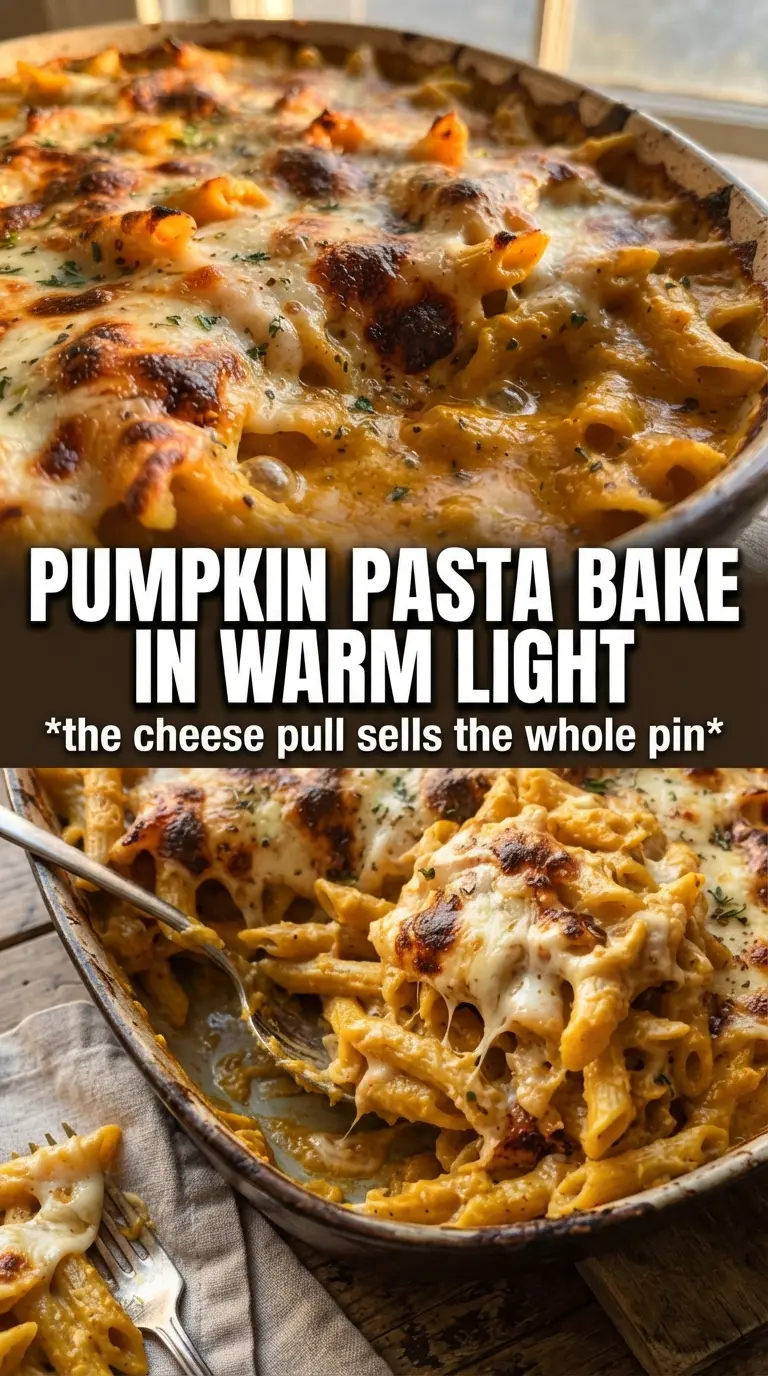
- Rigatoni or ziti — These shapes trap the sauce inside and hold their structure after baking. Short pasta with ridges or tubes works best because smooth noodles slide around and don’t catch the pumpkin cream as well.
- Italian sausage — This is the savory anchor. Use mild or hot depending on how much heat you want; if you swap it for ground turkey, add a pinch more salt and a little extra Italian seasoning because turkey doesn’t bring the same built-in seasoning or fat.
- Pumpkin puree — Use pure pumpkin, not pumpkin pie filling. The puree gives body and that subtle earthy sweetness, but it needs dairy and salt to taste like a proper sauce.
- Heavy cream — This is what turns pumpkin into something lush instead of thick and starchy. Half-and-half can work in a pinch, but the sauce will be looser and less stable after baking.
- Chicken broth — A small amount keeps the sauce from getting too dense before it hits the oven. Vegetable broth works fine if that’s what you have.
- Mozzarella and parmesan — Mozzarella gives the melt and stretch, while parmesan sharpens the sauce and helps the top brown. Freshly grated parmesan melts cleaner than the shelf-stable kind, which can stay a little sandy.
- Nutmeg and cayenne — Nutmeg nudges the pumpkin toward warmth instead of dessert, and cayenne keeps the sauce from tasting flat. Don’t skip the cayenne entirely unless you’re serving people who are sensitive to heat; even a small amount wakes up the whole pan.
Building the Bake So the Sauce Stays Smooth
Brown the Sausage Hard Enough
Cook the sausage in a large oven-safe skillet until it has real color and the bits stuck to the pan are deep brown, not pale. That fond is part of the sauce, so don’t rush this stage. If you drain every trace of fat and scrape too aggressively, you lose some of the flavor that makes the final dish taste finished.
Let the Pumpkin Simmer Before the Pasta Goes In
Once the pumpkin, cream, broth, and spices hit the pan, let the mixture simmer until it looks cohesive and glossy. It should coat a spoon without turning into a paste. If it starts looking too thick before the pasta goes in, splash in a little more broth; the sauce needs room to tighten in the oven.
Stop the Pasta a Little Early
Cook the pasta about 2 minutes less than al dente. It should still have a firm center because it’s going to keep cooking under the cheese. If you fully cook it on the stove, the bake will tip from tender to soft by the time the top is golden.
Watch for the Cheese Cue, Not the Clock Alone
The casserole is done when the edges are bubbling and the cheese on top has melted into browned spots. If the top browns before the center is hot, lay a piece of foil loosely over the dish and give it a few more minutes. That keeps the cheese from over-darkening while the middle catches up.
How to Adapt This for Different Kitchens and Diets
Make It Gluten-Free Without Losing the Bake
Use a sturdy gluten-free pasta shape and undercook it slightly more than you would with regular pasta. Gluten-free noodles can soften faster in the oven, so the extra buffer keeps the final texture from going mushy.
Dairy-Free Version That Still Feels Creamy
Swap the cream for full-fat coconut milk or an unsweetened oat-based cooking cream, and use a dairy-free mozzarella-style shred. The sauce won’t taste exactly the same, but it will still bake up rich and spoonable.
Vegetarian Version With More Depth
Skip the sausage and use sautéed mushrooms plus a little extra parmesan or a spoonful of white miso for savory depth. Without the sausage, the dish needs another source of umami, or the pumpkin can taste too soft and sweet.
Storage and Reheating
- Refrigerator: Store leftovers in an airtight container for up to 4 days. The pasta will absorb more sauce as it sits, so expect it to be a little thicker the next day.
- Freezer: This freezes well in portions for up to 2 months. Cool it completely first, then wrap tightly; thaw overnight in the fridge before reheating.
- Reheating: Reheat covered in the oven at 350F with a splash of broth or cream stirred in. Microwaving straight from the fridge can make the sauce separate around the edges, so use low power if the microwave is your only option.
Questions I Get Asked About This Recipe
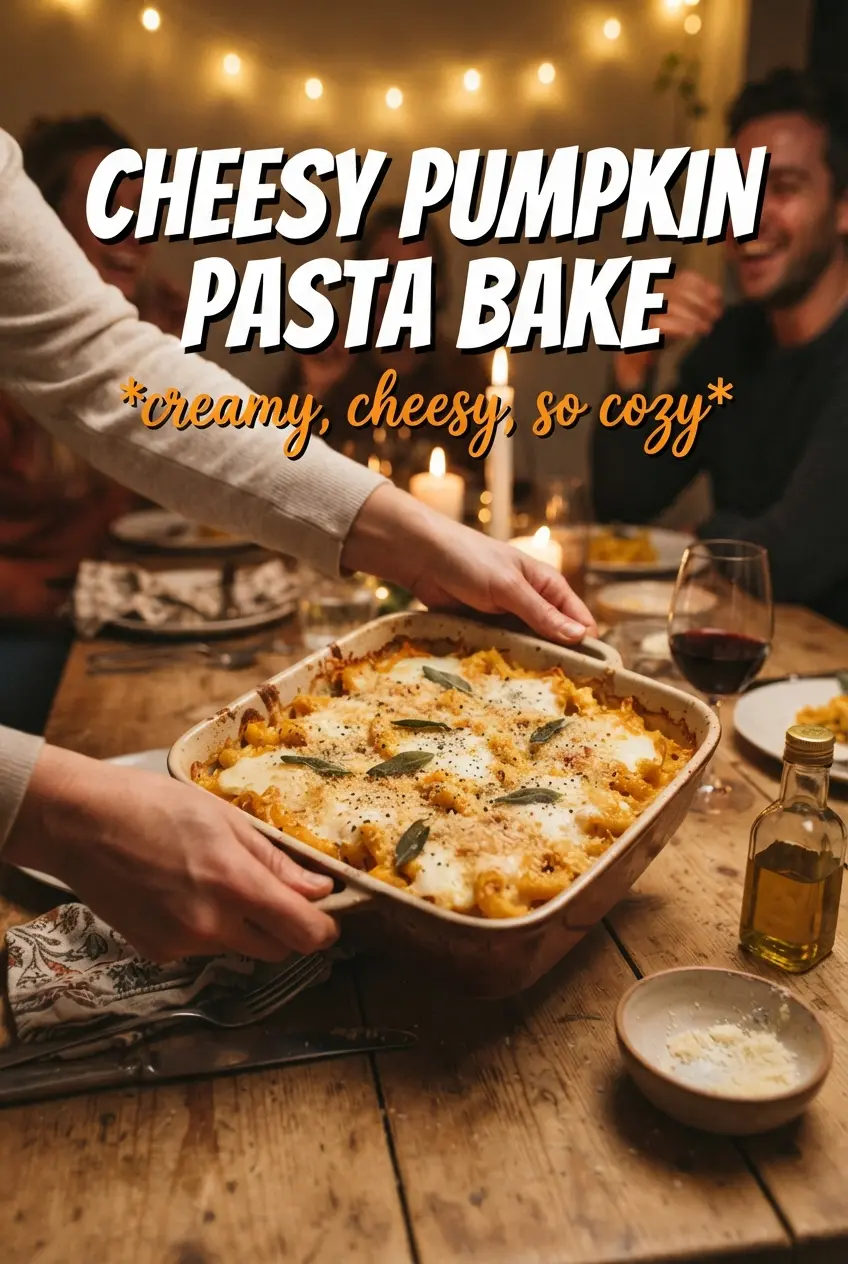
Cheesy Pumpkin Pasta Bake
Ingredients
Equipment
Method
- Preheat the oven to 375°F, then bring a pot of salted water to a boil. Cook the rigatoni or ziti for 2 minutes less than al dente.
- Brown the Italian sausage in a large oven-safe skillet over medium heat, then drain off excess fat. Add the diced onion and cook for 4 minutes, stirring occasionally.
- Add the minced garlic and cook for 1 minute, stirring until fragrant. Stir in the pumpkin puree, heavy cream, and chicken broth.
- Add Italian seasoning, nutmeg, and cayenne, then simmer for 5 minutes until the sauce looks slightly thickened. Season with salt and pepper to taste.
- Drain the pasta and toss it into the skillet with the pumpkin sauce. Spread everything into an even layer.
- Scatter the shredded mozzarella and grated parmesan over the top to cover evenly. Bake at 375°F for 25-30 minutes until bubbling and golden.
- Remove from the oven and garnish with fresh sage or basil. Rest briefly before serving for cleaner slices.